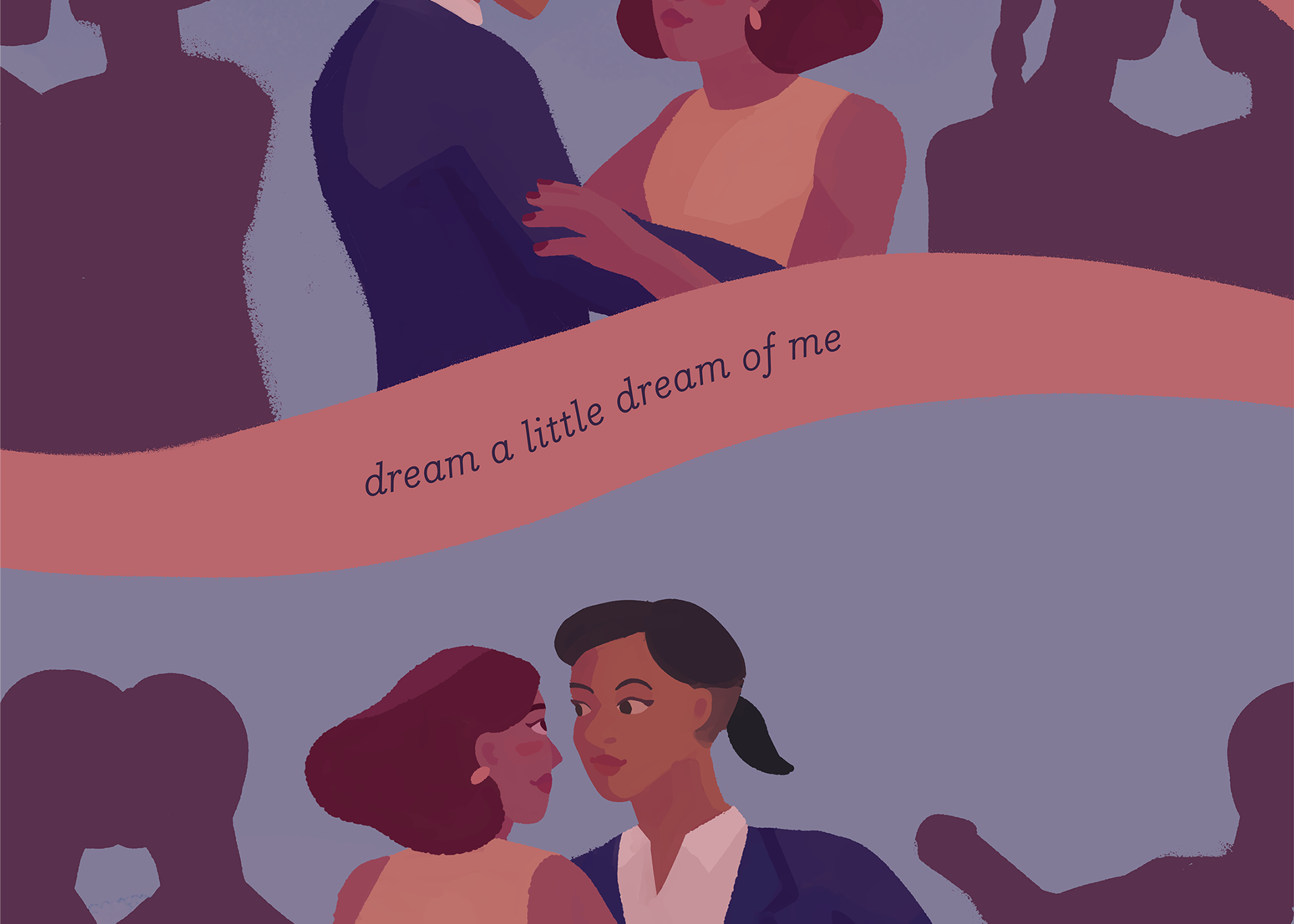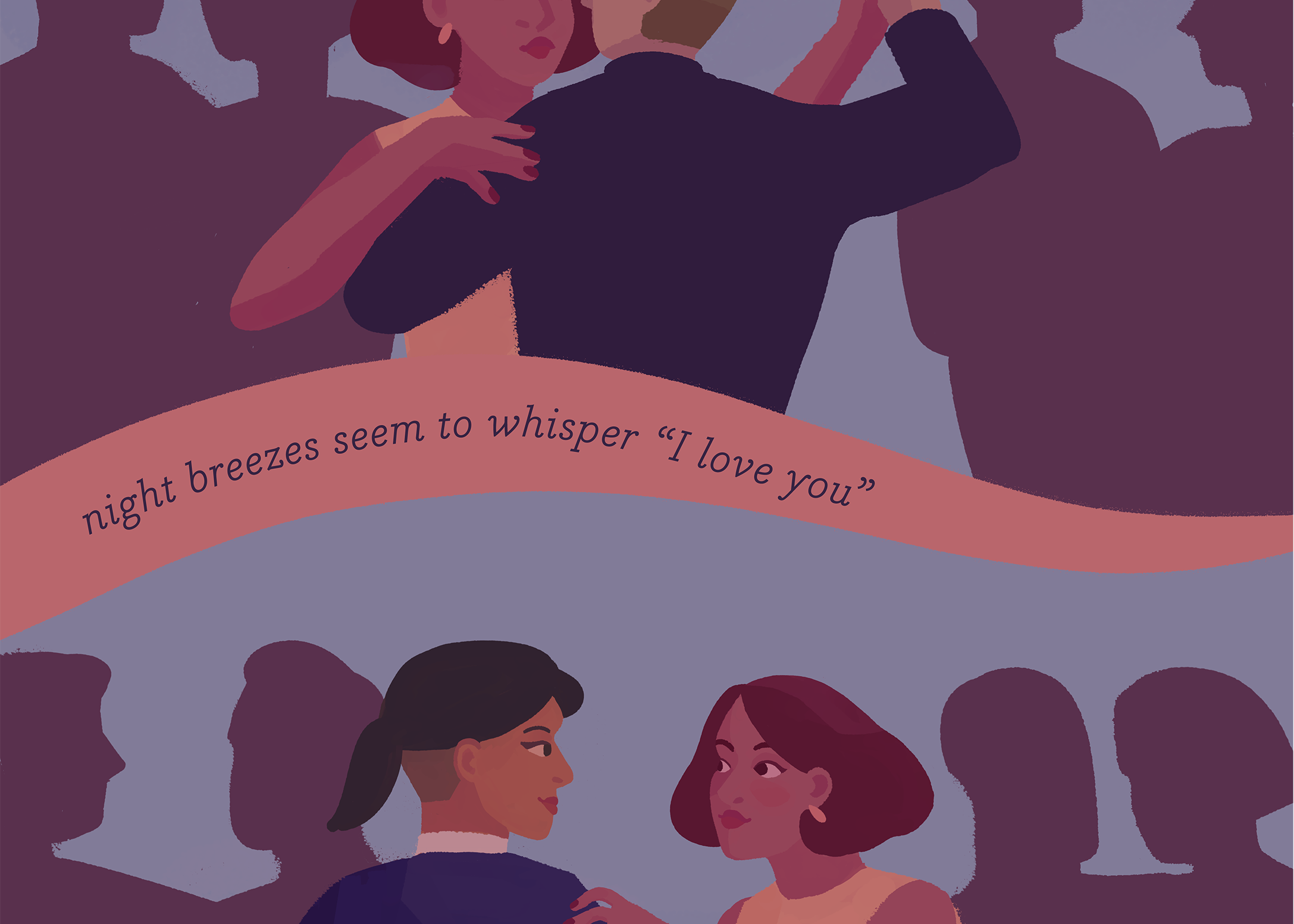
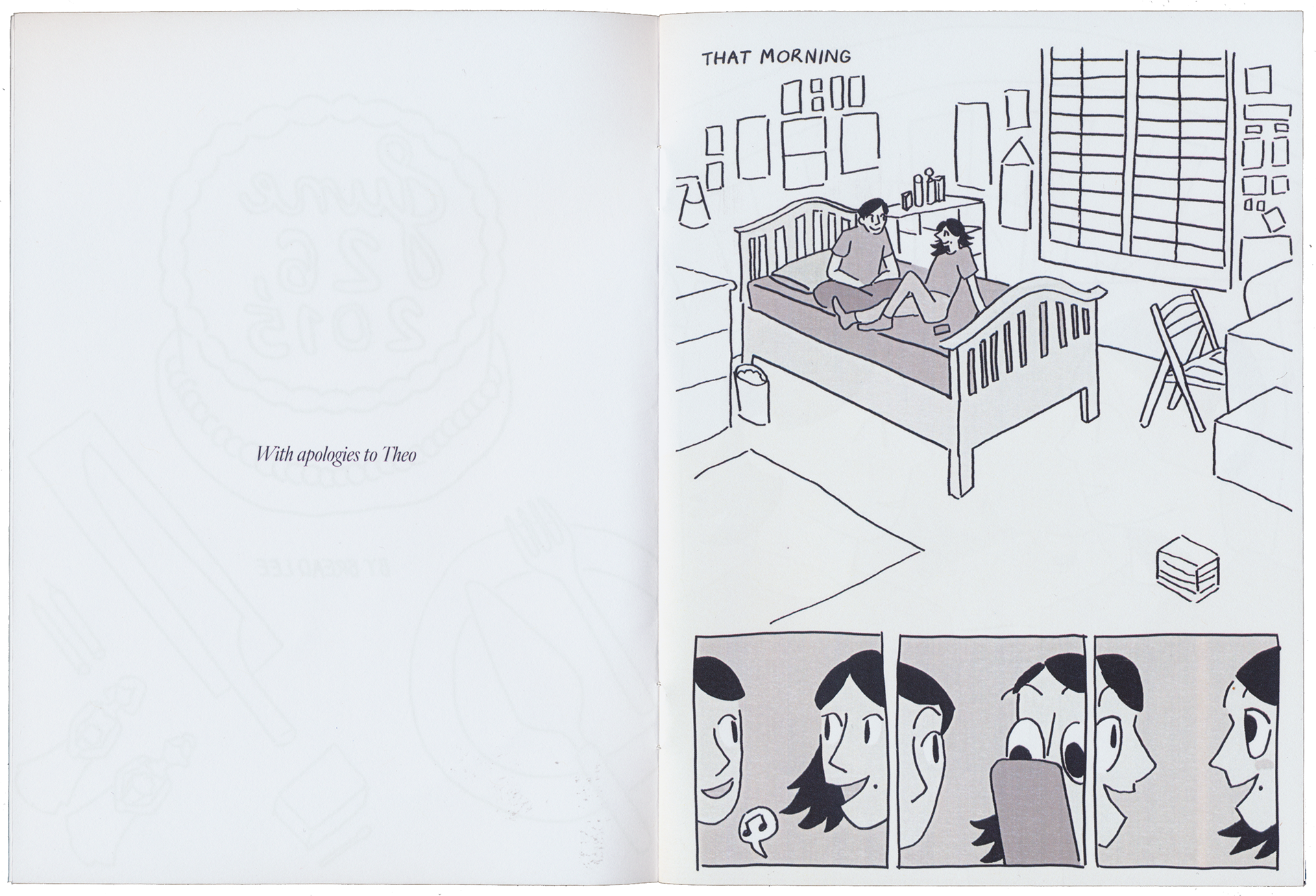
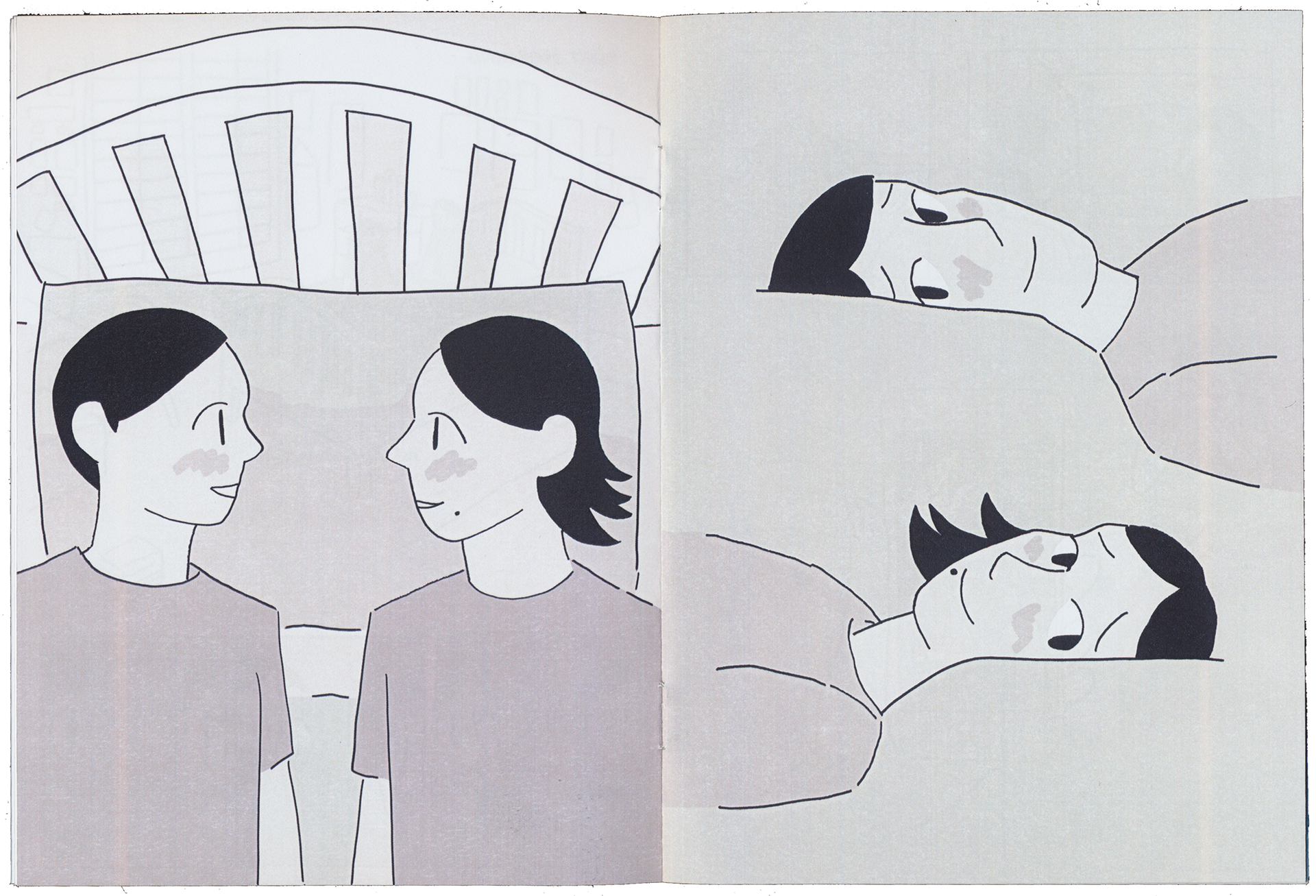
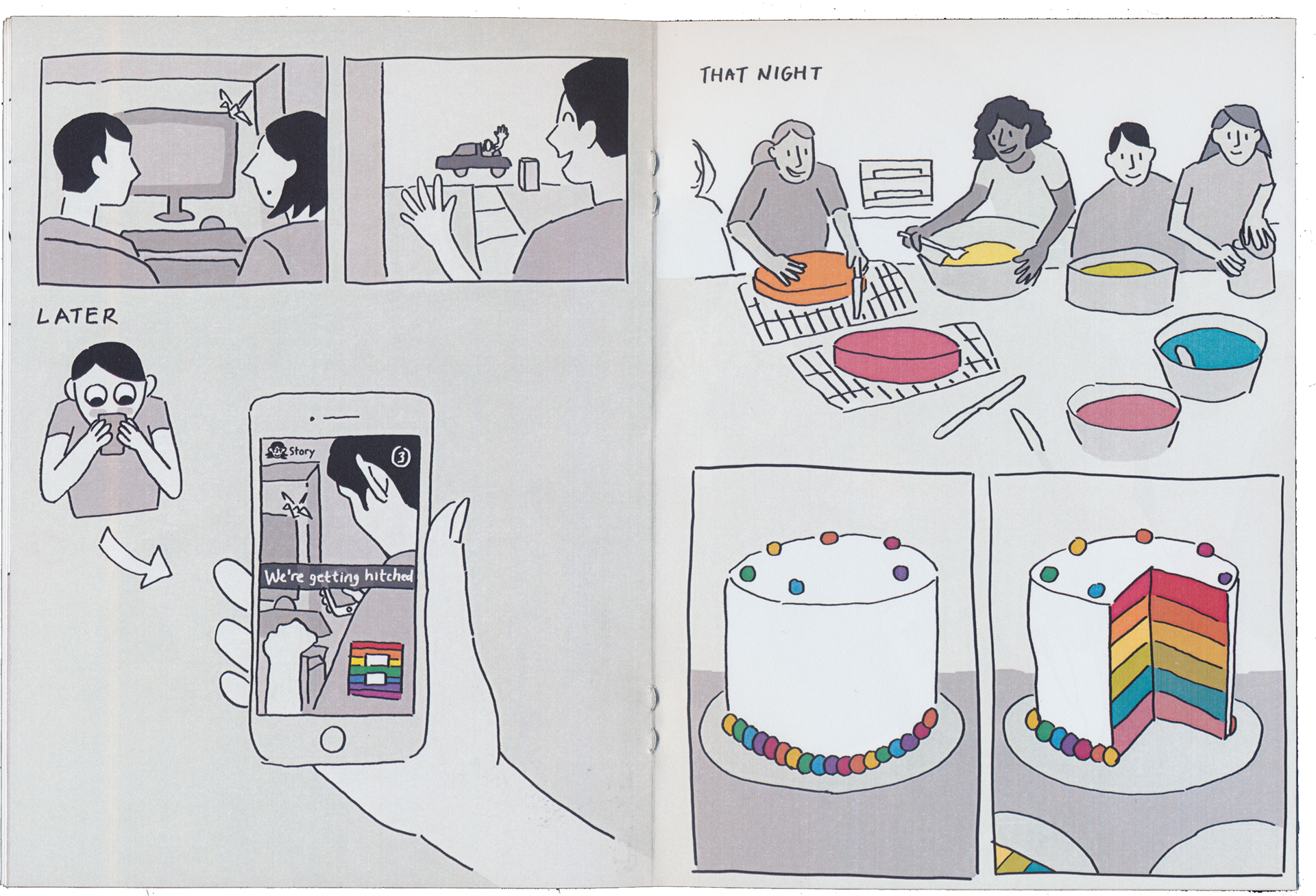
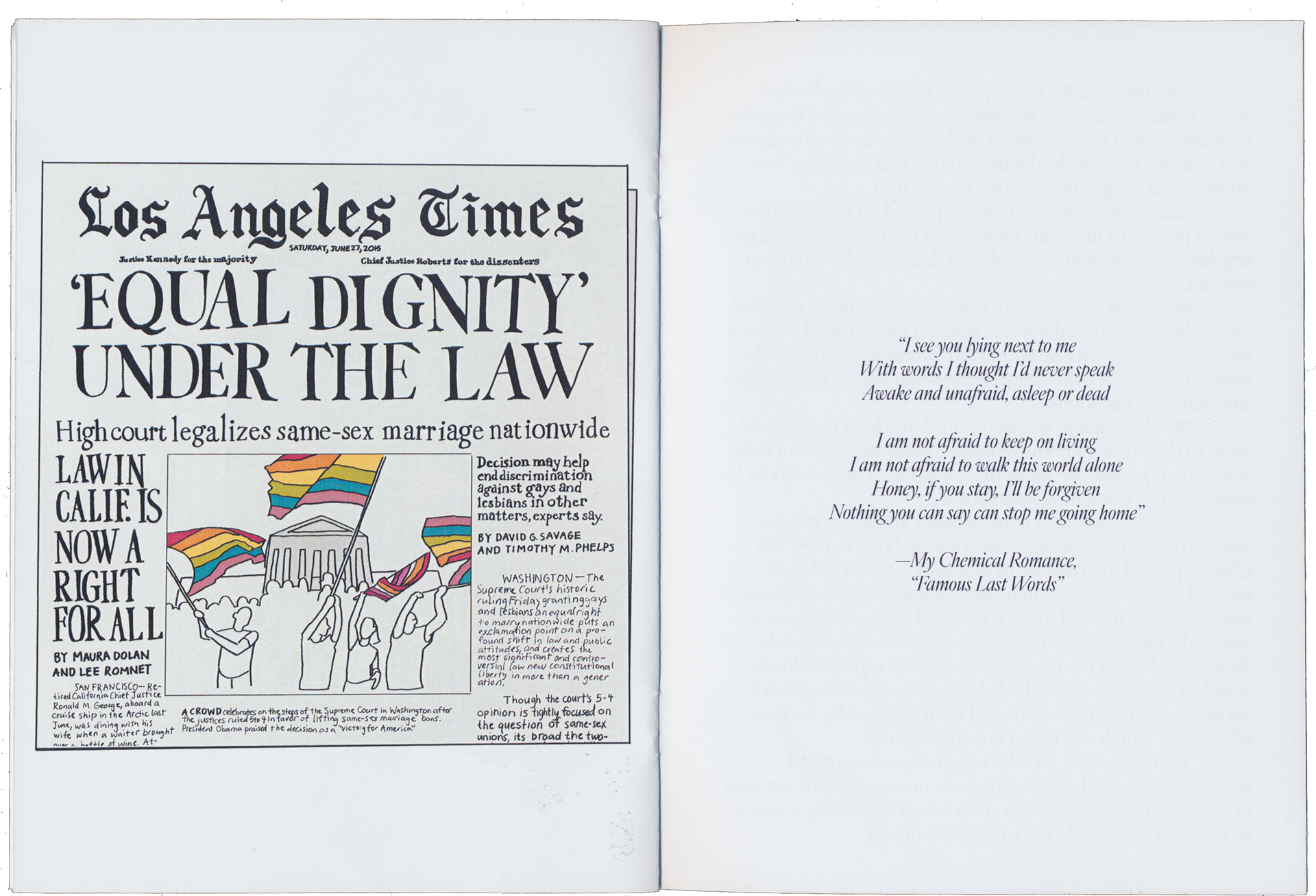
On June 26, 2015, the Supreme Court of the United States legalized same-sex marriage in the landmark Obergefell v. Hodges case. I was seventeen. My soon-to-be boyfriend, who was sleeping over, broke the news to me that morning. Two young queer people in Texas, we were elated.
After he went home, I saw he posted on his Snapchat story a picture of me hours earlier with the caption "We're getting hitched." We would start dating that Fall. (We did not get hitched.)
My phone blew up with notifications. Friends near and far celebrated the good news. A summer camp friend posted a triumphant selfie with an anti-LGBT protester in front of the Supreme Court. A beloved upperclassman posted her relationship status on Facebook.
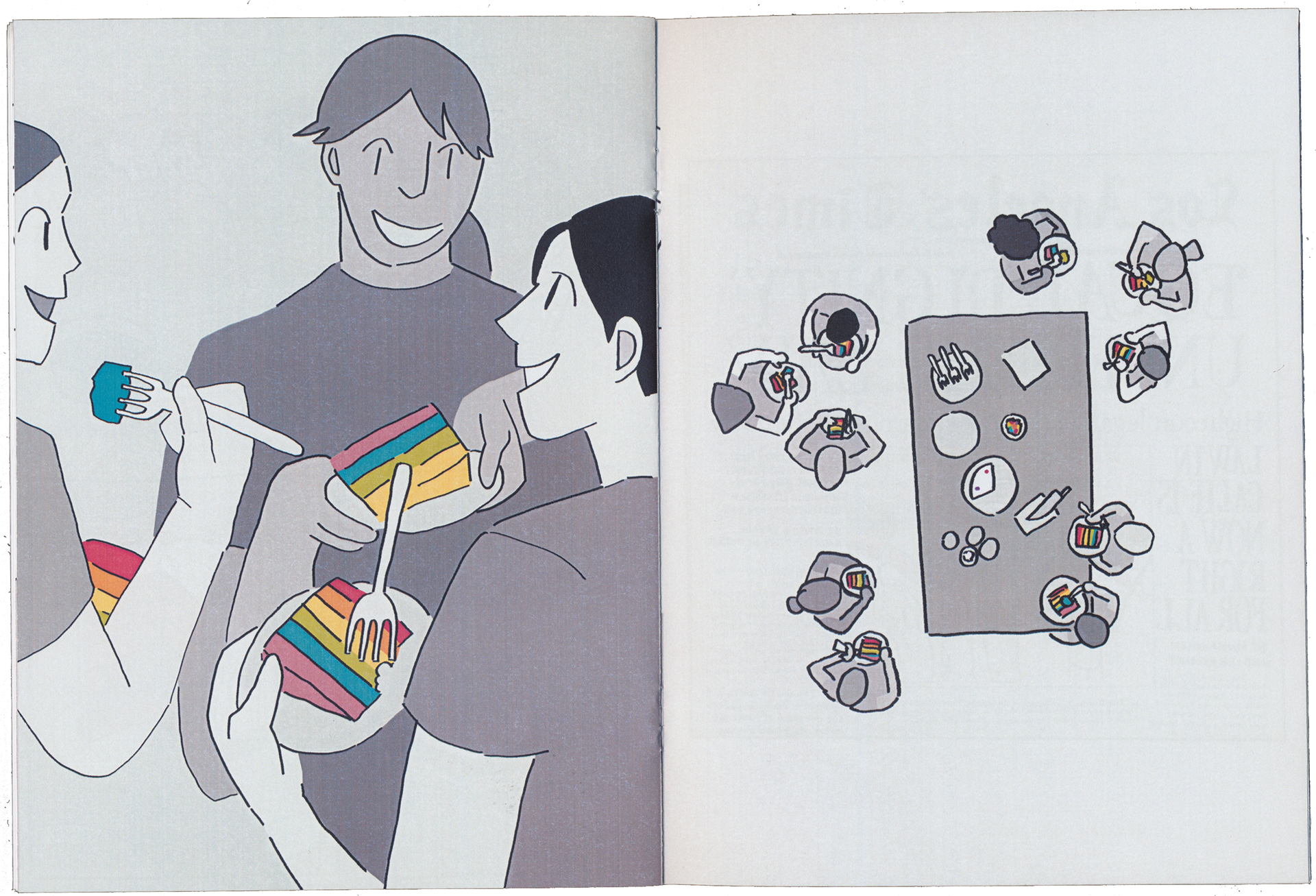
My older sibling was also elated, and later that day, we went to their friend's home to make a rainbow cake. Our celebration was joyous. We knew there was much more work to be done, but this was a huge step forward.
In middle school, I wrote a paper arguing that same-sex marriage should be legalized. I learned that in 1996, Bill Clinton passed the Defense of Marriage Act, or DOMA. It banned federal recognition of same-sex marriage. I discovered marriage went beyond titles; it involved legal protections as well. Take the 2013 case United States v. Windsor. According to Wikipedia, "Spyer died in 2009, leaving her estate to Windsor.
Windsor sought to claim the federal estate tax exemption for surviving spouses, but was barred from doing so by Section 3 of DOMA," which was found unconstitutional.
Two years later, DOMA was finally overturned. I remember that day because same-sex marriage wasn't yet legal in my state. Looking back ten years later, I know why it meant so much to me: I could see a future for myself.